1Mesmerith Core
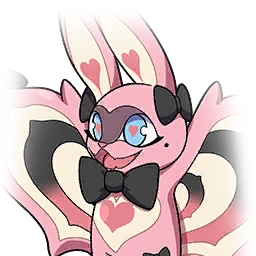 Main DPS
Mesmerith
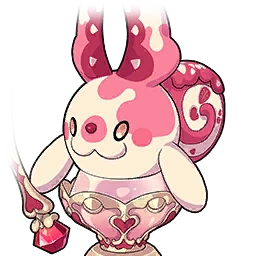 Front
Chowpownd
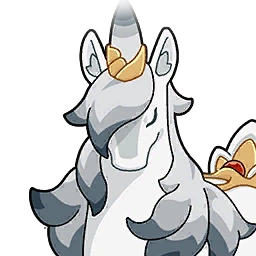 Support
Inkicorn
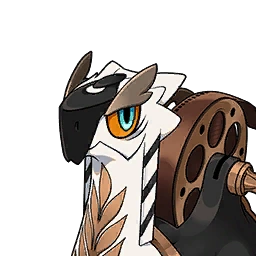 Flex
Cinechel
Use this as a carry-first shell: protect Mesmerith, stabilize with front-line pressure, then verify exact synergy once reliable data lands.
A tool-first Honkai: Nexus Anima auto-chess guide for team shells, formation, roles, mechanics, and common mistakes.
A team-board structure works well for Auto-Chess because readers want whole team shells, not isolated mechanics. These examples use HNA Anima as composition watchlists while keeping every comp beta-labeled.
These are layout examples and beta-based shells. Do not treat them as final meta teams until skills, synergies, and battle data are verified.
Main DPSFrontSupportFlexUse this as a carry-first shell: protect Mesmerith, stabilize with front-line pressure, then verify exact synergy once reliable data lands.
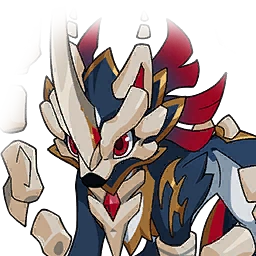 Main DPS
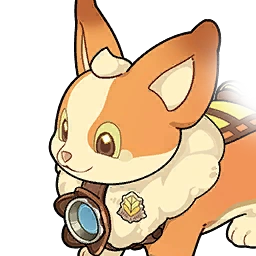 Sub DPS
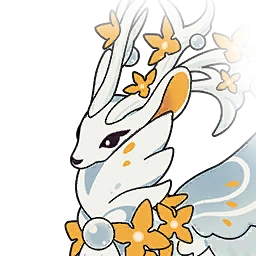 Support
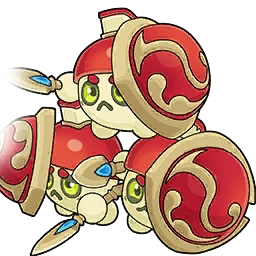 Front
A straightforward damage shell for readers who want a quick starting point before reading row mechanics.
 Carry
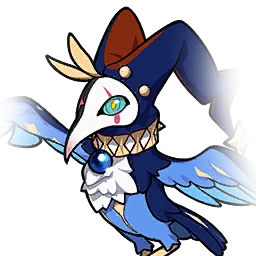 Sub DPSSupportFront
A positioning-focused shell that explains tempo and backline protection without claiming a final ranked comp.
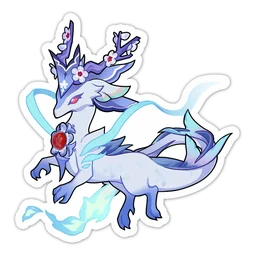 Front?
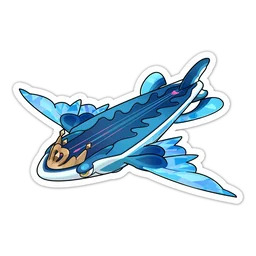 Front?
 Flex?
 Flex?
A data-pending shell for newly revealed Reality Anima. Useful as a future tracker, not a recommendation yet.
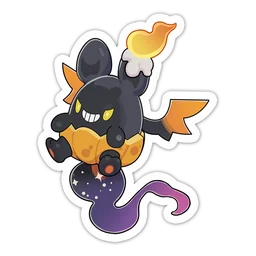 Flex?
 Flex?
 Flex?
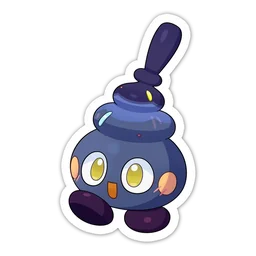 Flex?
A tracking slot for future Joy synergy coverage. Keep question marks until combat roles are confirmed.
Use durable or pressure-oriented Anima to absorb early focus, buy time, and stop enemies from reaching your backline too quickly.
Place damage dealers, healers, and fragile supports behind your frontline so they can contribute before being targeted.
If a build allows manual timing, hold burst or sustain skills for important enemy pushes instead of spending them immediately.
Keep exact team examples labeled as beta or watchlist until official post-test data confirms skills and values.
Groups Anima by front row, back row, carry, support, and flexible slots. This is better than pure paragraphs for returning readers.
Each mechanic gets a status badge, short explanation, and what-to-verify-next line.
Avoid overcommitting to unverified synergy, exposing carries, or treating beta comps as final launch meta.
Board placement exists and should become the main visual teaching tool.
Use NowRoles help readers decide where an Anima belongs without reading the full article first.
WatchlistExact numeric bonuses should stay out unless sourced from official or repeatable test data.
PendingUse team shells as examples, not final tiered compositions, until reliable data arrives.
PendingStart with survivability and role coverage before chasing damage.
Keep high-value damage or support units away from early focus.
Only lock a composition when the mechanic is sourced or tested.
Author: Wayne Zhao | Last Updated: 2026-07-09
This guide covers Beta and Evolution Test tracking. Exact row mechanics, Trait behavior, and Aspect thresholds may change before final release.
Honkai: Nexus Anima uses a formation-based auto-battle system. Before combat, you arrange your Anima by row and role. Once the fight begins, your team acts automatically based on placement, Traits, and synergy.
Your main job is the setup phase: protect fragile units, give your carry enough time to act, and avoid building a team that has strong individual Anima but no coherent formation.
Each battle starts with formation planning, then auto-battle execution, then result review. If your formation is wrong, the fight may be lost before it starts. Adjusting rows and role coverage is the core skill.
The front row should absorb pressure and protect the rest of the board. The middle row is best for flexible fighters or units that need some protection while still contributing early. The back row is where fragile carries, healers, and utility supports usually belong.
Do not treat this as final launch law. Use it as a stable learning model until official combat data and repeatable testing confirm exact targeting rules.
Start with one or two front-line anchors, add a protected damage source, then look for Aspect overlap. A coherent 4-star and 5-star mix can be stronger than a random team made only from your rarest Anima.
If you are coming from the reroll page, choose your first 5-star with its future team shell in mind. A carry is easier to use when your roster already has front-line and support coverage.
The biggest mistakes are putting support units in the front row, ignoring Aspect clusters completely, and refusing to adjust formation between encounters. Small row changes can matter more than a single raw stat upgrade.
The core loop is formation-first. Expect most important decisions to happen before combat starts rather than during the fight.
Trait describes how an Anima tends to fight or where it belongs. Aspect describes who it may synergize with. Good teams need both role coverage and Aspect planning.
No. They are beta-based examples and watchlist shells. Final team rankings need verified skills, synergy values, and battle data.